Mold finds opportunities where moisture and organic material meet, and split-system air conditioners are one of the most common homeowners do not think about. In Manor TX summers, high humidity plus an aging or neglected AC creates precisely the conditions mold prefers. If you want to protect your indoor air, avoid costly repairs, and preserve the lifespan of your system, detection and prevention AC Repair in Manor TX must be part of any routine AC maintenance plan.
I work with homeowners and service crews in the Austin metro area and have seen the pattern: a system running inefficiently, a clogged drain, a faint musty smell that gets worse after the system cycles, and then visible black or green growth near coils or in the drip pan. That progression is avoidable with consistent checks, small investments, and sensible habits. Below I lay out what to look for, how to act, and when to call professionals such as ATX Heating & Air Conditioning for AC Repair in Manor TX or Ac installation in Manor TX.
Why mold matters for your ac and your home Mold on or near your air conditioner is not only a mechanical problem, it is a health and comfort issue. Spores circulate when the blower runs, lodging in filters, ducts, and on furniture. For people with allergies, asthma, or weakened immune systems, even low levels of certain molds can trigger symptoms. From a mechanical standpoint, mold growth reduces heat transfer on coils, clogs drains, and accelerates corrosion. I have documented systems where a once-clean evaporator coil lost 10 to 20 percent of its efficiency simply because of slimy biofilm and mold build-up. That translates to higher utility bills, shorter equipment life, and more frequent AC Repair in Manor TX visits.
Common spots mold hides during ac maintenance Mold prefers dark, moist, and nutrient-rich places. During an inspection, prioritize these areas:
- evaporator coil and coil housing. Condensation forms during every cooling cycle. If the coil fins are dirty or the coil is not draining properly, slime and mold will form on the metal and inside the housing. condensate drain and drain pan. Clogs concentrate water. Even a partial blockage allows standing water, which is a perfect incubator. air filters and filter cabinet. Fibrous filters collect particles and hold moisture, giving spores a place to take hold. ductwork near the air handler. Leaky duct seams or insulation that becomes wet can host mold growth within inches of the blower. outdoor unit if located under foliage or a deck. Organic debris collects, holds moisture, and can be inadvertently drawn into the system if not cleared.
How to detect mold early — what you can do before the tech arrives You do not need specialized equipment to spot the early signs of a problem. Start with simple sensory checks that take five to ten minutes.
If you notice a recurring musty smell when the system runs, do not dismiss it as normal. Pay attention to where the smell is strongest — at the return grille, supply vents, or near the air handler closet. Look at the furnace or air handler cabinet with a flashlight. Any visible discoloration, black specks, or fuzzy growth near the coil or on the pan is a red flag.
Run your fingers (wear gloves) along accessible edges of the evaporator coil housing and filter cabinet. Slimy residue or a slightly greasy film often precedes visible colonies. Check the condensate drain line and pan for standing water. A working system will drain clear; discoloration, algae strands, or a slow drip suggest a partial clog.
If you want to be slightly more methodical, record the indoor humidity and the temperature differential between return and supply air. In cooling mode, a properly operating system in Manor will generally produce a 15 to 20 degree Fahrenheit drop between the return and supply. If humidity is high and the temperature differential is small, the coil may be dirty or the airflow insufficient, both of which encourage mold.
A short checklist to run through before calling a pro

- check for musty odors and pinpoint strongest vents inspect accessible coil housing and filter cabinet with a flashlight verify condensate drains are clear and water is flowing note the return to supply temperature difference during cooling replace or inspect the filter for dampness or discoloration
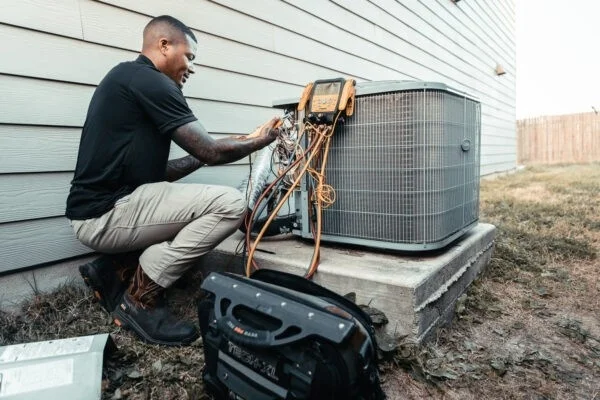
Professional inspection: what the technician should do and why it matters A thorough inspection goes beyond surface checks. A qualified technician from ATX Heating & Air Conditioning or another reputable service will remove the access panel, inspect and, if necessary, clean the evaporator coil, check refrigerant charge, measure airflow across the coil, and verify proper condensate drainage. The technician should also examine the drain line for biofilm and treat it if needed, and check the insulation on ducting near the air handler to ensure it is dry and intact.
When I dispatch crews for AC Repair in Manor TX, we use a flashlight and magnifier to look for early colonization and a moisture meter for hidden or suspect insulation and framing. In some cases, microbial testing is warranted if the homeowner reports health issues or if visual evidence is ambiguous. Testing helps identify whether the growth is active mold that will continue to spread or benign staining from rust or minerals.

Common mistakes that lead to recurring mold Neglect, quick fixes, and incorrect assumptions create repeats. Homeowners and some technicians make these predictable errors:
- replacing the filter without addressing the root cause, such as a clogged drain or poor airflow using only a spray cleaner without mechanical cleaning of coils and pans assuming a small amount of visible mold is not a problem and not documenting or remediating it installing equipment in locations that trap moisture, like closets with poor ventilation ignoring humidity control as part of system performance, especially in the shoulder seasons
Prevention strategies that actually work Avoid generic advice. These steps reflect what I implement for clients and what we include in AC maintenance contracts. They balance cost, disruption, and effectiveness.
First, keep a regular maintenance rhythm. Twice-yearly service, timed before the heavy cooling season and once afterward, catches problems early. During each visit, insist that the technician clean the evaporator coil and inspect the condensate system. A clean coil prevents biological growth and preserves efficiency.
Second, manage humidity. In Manor TX summers, the AC removes much of the moisture, but older systems or oversized equipment may short-cycle and not dehumidify well. A simple upgrade can be a smart thermostat with humidity control or a dedicated dehumidifier integrated with the HVAC system. For many homes, bringing indoor relative humidity down to the 45 to 50 percent range reduces mold risk substantially.
Third, maintain the condensate drains proactively. A small monthly habit prevents big headaches. Pouring a cup of white vinegar or a manufacturer-approved biodegradable cleaner down the condensate drain every month keeps algae and bacteria from forming biofilm. For homes with persistent clogging, have a technician install an accessible cleanout and consider a condensate pump upgrade or an auxiliary drain.
Four practical modifications with clear trade-offs Installing ultraviolet germicidal lights in the air handler reduces microbial growth on coils and pans. The trade-off: upfront cost and periodic bulb replacement. A quality UV system can reduce cleaning frequency but will not replace mechanical cleaning.
Another option is to upgrade to a higher MERV-rated filter. That captures more particulates that feed mold, but higher restriction can reduce airflow if the system is not sized for it. Before upgrading filter efficiency, confirm the blower can maintain sufficient cubic feet per minute.
A secondary drain pan with a float switch prevents water overflow into living spaces. It adds money to the job but is inexpensive insurance compared with water damage. If your air handler sits above finished space, a secondary pan is a sensible requirement.
Finally, consider duct correction. Sealing and insulating return ducts in attics or crawl spaces reduces condensation and the chance of mold in duct interiors. The trade-off here is the labor cost; duct sealing often pays back in energy savings and reduced maintenance over a few years.
What to expect from mold remediation when it is necessary If visual inspection shows extensive mold growth, call professionals who handle both HVAC cleaning and mold remediation. Effective remediation includes containing work areas to prevent spore spread, removing irreparably contaminated materials, dry-cleaning rather than wet-cleaning wherever possible, and treating remaining surfaces with appropriate antimicrobial products. A technician should also address the cause of the growth before closing the job; cleaning without correcting a clogged drain or poor airflow is almost guaranteed to result in recurrence.
In my experience, remediation that includes coil replacement is rarely necessary unless corrosion or pitting is present. More often, a thorough coil cleaning, pan flush, and drain restoration are sufficient. Expect a remediation job that includes HVAC components to take between a couple of hours and a day, depending on severity. Costs vary widely, so get written estimates and ensure the scope includes verification of the underlying cause.
When to call for ac repair or a new installation Call for AC Repair in Manor TX when you detect any of the following: persistent musty odors after simple checks, repeated condensate line clogs, visible mold on coils or in the ductwork, or reduced cooling performance coupled with high humidity. If your system regularly cycles on and off or if the supply air is only a few degrees cooler than the return, those are performance indicators a qualified technician should evaluate.
If recurring mold is tied to chronic drainage issues, repeated compressor failures, or an undersized system that cannot control humidity, consider Ac installation in Manor TX. Installing correctly sized equipment, possibly with a variable-speed blower and better dehumidification capability, addresses both comfort and mold risk. ATX Heating & Air Conditioning and other reputable contractors can perform Manual J load calculations and recommend matched equipment that will dehumidify effectively while remaining efficient.
Practical maintenance schedule tailored to manor consumers A simple schedule keeps problems small and predictable.
- every month during cooling season, inspect and, if necessary, replace disposable filters or clean reusable ones every three months, run a flashlight inspection at the air handler, looking for slime, discoloration, or standing water twice a year, schedule professional AC maintenance that includes coil cleaning, condensate line flushing, refrigerant check, and airflow measurement when you notice odors, visible growth, or reduced performance, schedule a professional inspection immediately rather than letting the issue persist
I know monthly tasks feel like a burden, but a few minutes of attention prevents costly mold remediation and frequent AC Repair in Manor TX calls. For homeowners who prefer hands-off management, a maintenance agreement with a local firm spreads costs, gives priority scheduling, and often includes seasonal adjustments that keep the system balanced.
Real examples from the field A homeowner in Manor called after noticing a recurring musty smell in the master bedroom. The initial assumption was a mattress, but an inspection revealed green biofilm on the evaporator coil and a partially blocked condensate drain. After cleaning the coil and replacing the PVC trap with a larger slope to the exterior drain, humidity fell by roughly 6 to 8 percentage points and the smell disappeared. The homeowner avoided coil replacement, and the system ran 12 percent more efficiently in the following billing cycle.
In a different house, repeated attic moisture complaints led to a discovery of leaking duct insulation and mold inside return runs near the air handler. The remediation required replacing sections of ductwork, local mold remediation, and sealing and insulating the rest. The homeowner then contracted for AC maintenance twice a year and saw a measurable reduction in allergy symptoms reported by the family.
Choosing the right contractor When you call for AC Repair in Manor TX or Ac installation in Manor TX, evaluate contractors by asking about their approach to mold prevention. A quality contractor will include coil cleaning, drain inspection, and humidity assessment in their standard maintenance. Ask whether they perform airflow measurements and refrigerant checks, and whether they document findings with photos or a written report.
Look for technicians who can explain trade-offs: why a UV light might help in your situation, whether a higher-efficiency filter is appropriate, and whether a variable-speed blower would address humidity issues more effectively than a simple equipment swap. Verify licensing, ask for references from local clients, and prefer companies that offer maintenance plans, because recurring service by the same team helps identify problems early.
Final persuasive note Mold in HVAC systems starts small and becomes expensive only after it is allowed to grow. Regular attention, smart preventative measures, and competent professional service change that trajectory. If you live in Manor TX and want to reduce health risks, lower utility bills, and save on repairs, integrate mold checks into your AC maintenance routine now. When you schedule AC Maintenance in Manor TX or need AC Repair in Manor TX, insist on coil cleaning, condensate inspection, and a humidity assessment. Small actions now will avoid bigger, costlier problems later, and working with a proven local team like ATX Heating & Air Conditioning ensures the job is done right the first time.
ATX Heating & Air Conditioning
13809 Theodore Roosevelt St., Manor, TX - 78653
(737) 406-8083
[email protected]
Website: https://atxheatingandac.com/